Sale 1693
| Philadelphia
| Philadelphia
Estimate$15,000 – $25,000
This lot is accompanied by a letter of authenticity from Nelda Hirsh and is slated to be included in the newest forthcoming edition of A Bohemian Life: M. Evelyn McCormick (1862-1948), American Impressionist.
Provenance:
The Artist
Presumably acquired directly from the above
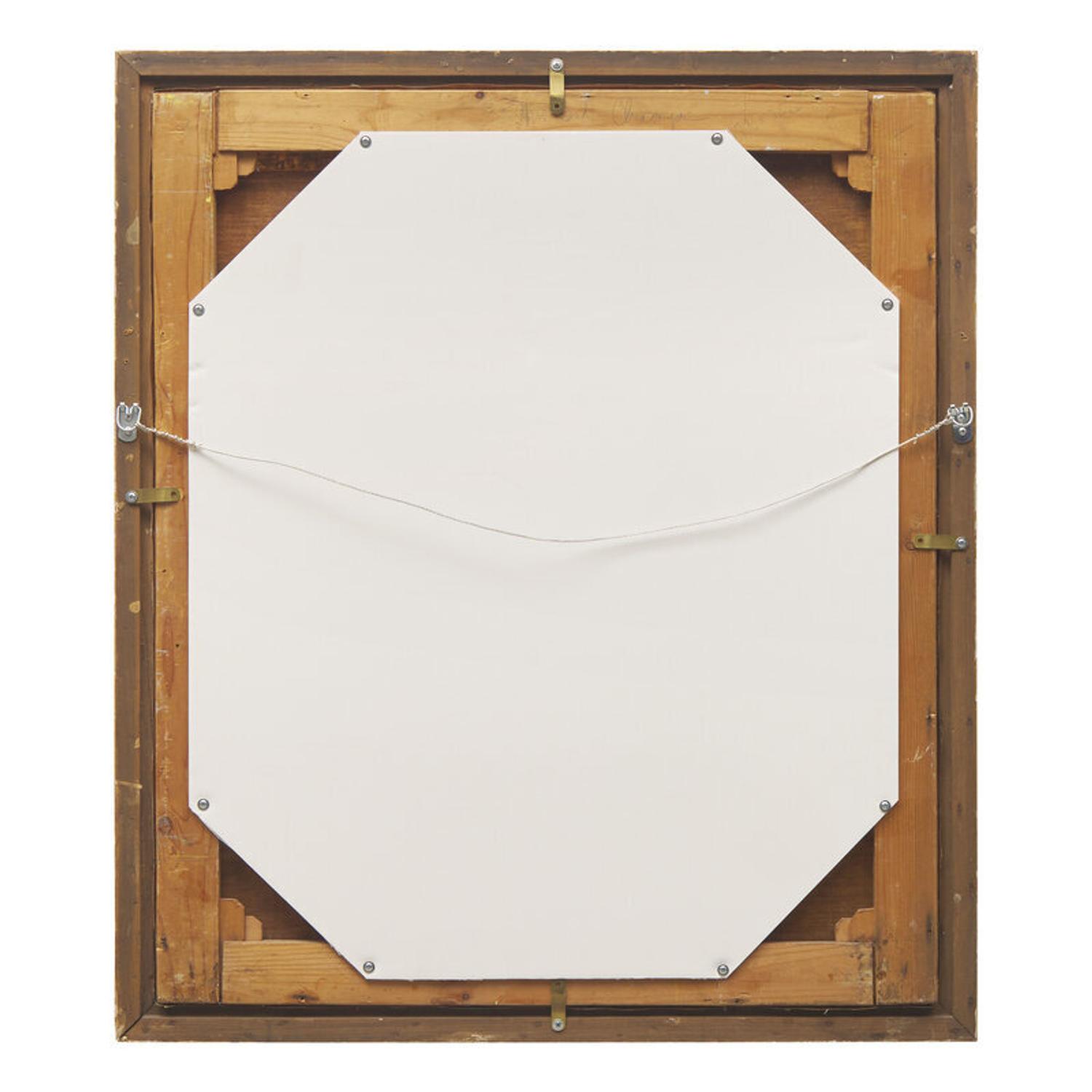
Mrs. Harold "Bud" Chavoya, California (name inscribed verso on stretcher)
Private Collection, Cathedral City, California
Lot Note:
Mary Evelyn McCormick was an American painter most well known for her contributions to the California Impressionist movement, a regional variation of American Impressionism which took place in the first few decades of the 20th Century. This movement was most popular in Southern California and the San Francisco Bay area. A California native, McCormick studied at the California School of Design in San Francisco where she studied under Soren Emil Carlsen, Thomas Hill and Virgil Macey Williams, all well-known for painting the American landscape. Her efforts were rewarded, as she received an Honorable Mention for oil painting in 1886 and the Avery Gold Medal in 1888 for her study of chrysanthemums.
In a largely male-dominated field, McCormick gravitated to fellow female artists like Mary DeNeale Morgan, Isabel Hunter and Mary Williams, who worked as a writer and caricaturist for the New York World Magazine under the pseudonym Kate Carew. During this time, she also fell in love with a fellow California Impressionist painter Guy Rose, and together they continued their studies abroad at the Académie Julian between 1889 and 1891. McCormick continued to paint and drew on the influence of well-known French Impressionist painters like Claude Monet and Camille Pissarro, spending time in established art centers like Giverny.
After her return to California, McCormick began exhibiting her works more frequently, particularly in San Francisco and Monterey, but also in such places as the 1893 World's Columbian Exposition in Chicago, where she exhibited works at the Woman's Pavilion alongside well-known female artists like Mary Cassatt. In 1910, McCormick contributed a set of oil paintings to the Fourth Annual Exhibition of the Carmel Arts and Crafts Club, and years later helped entertain William Merritt Chase during his Carmel Summer School. While she drew great inspiration from the California landscape, McCormick also painted many scenes from her travels through Europe, where she returned for a time in 1922.
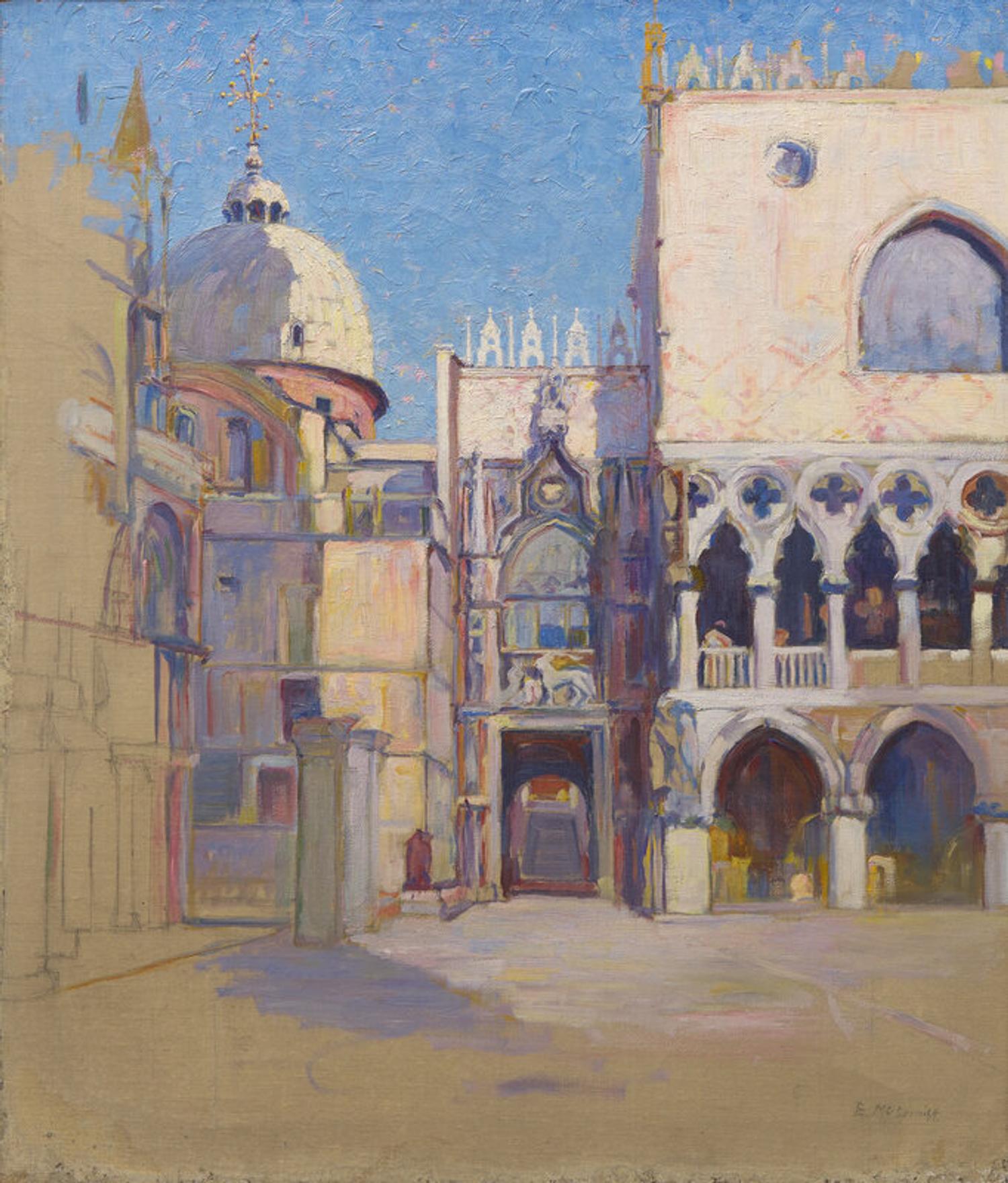
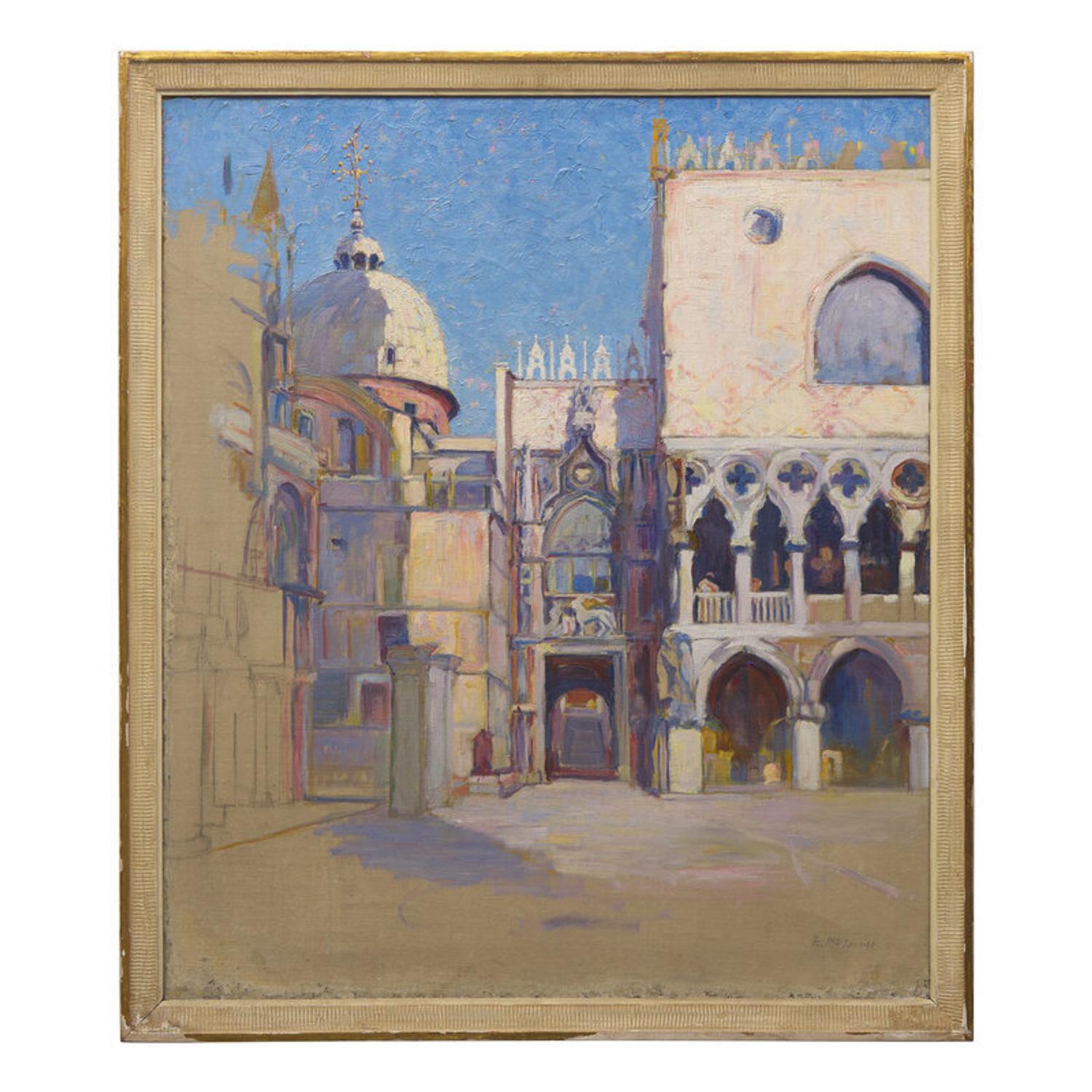
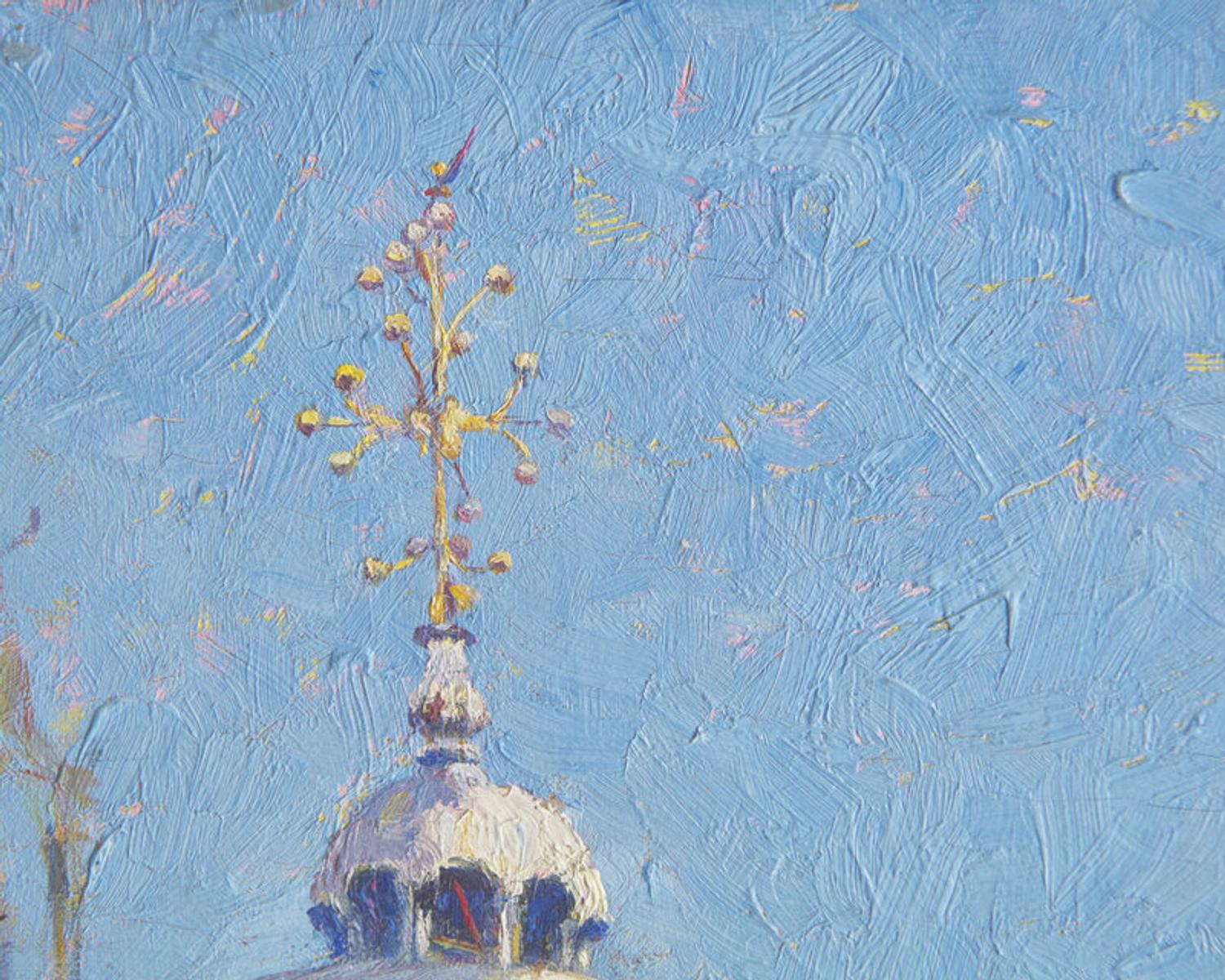
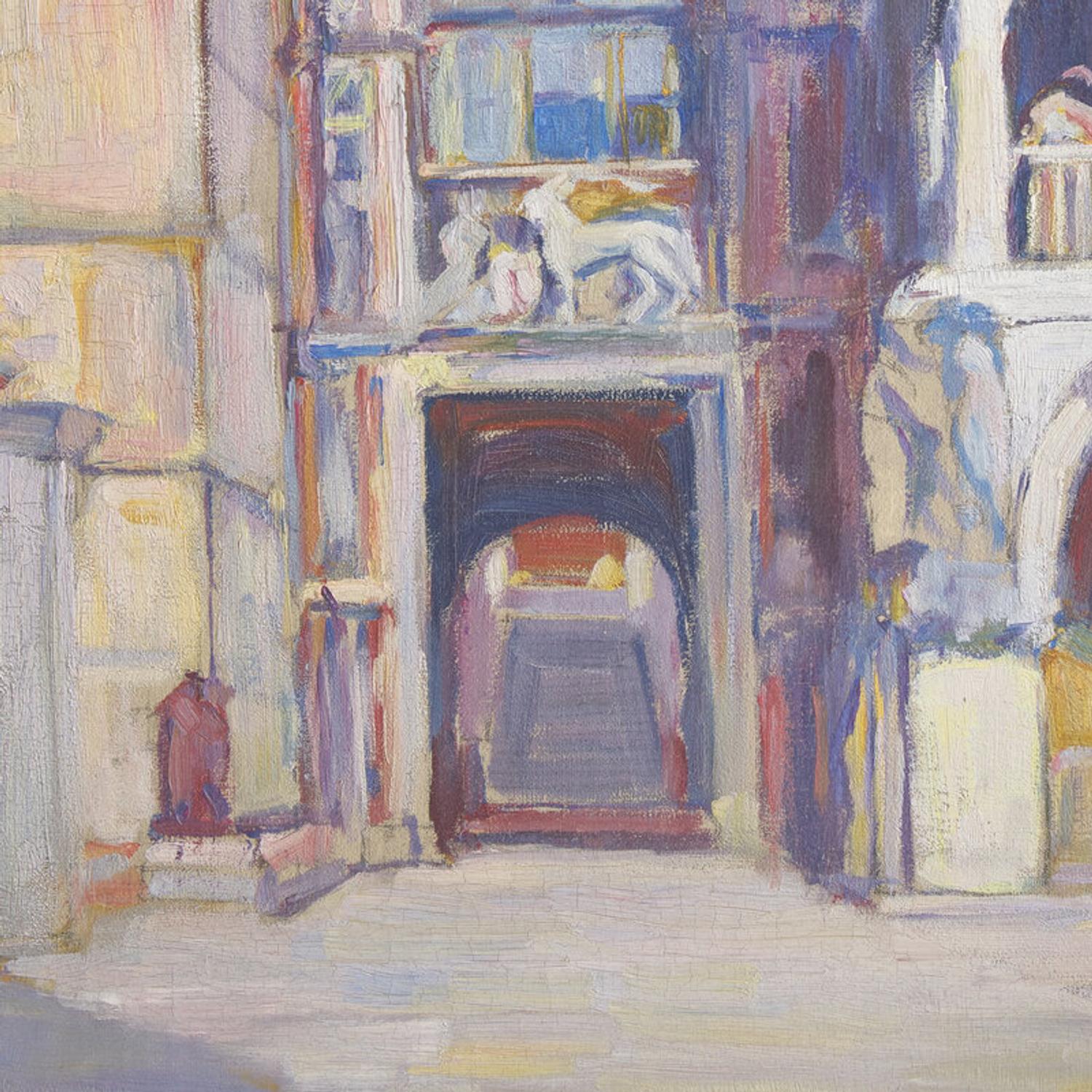
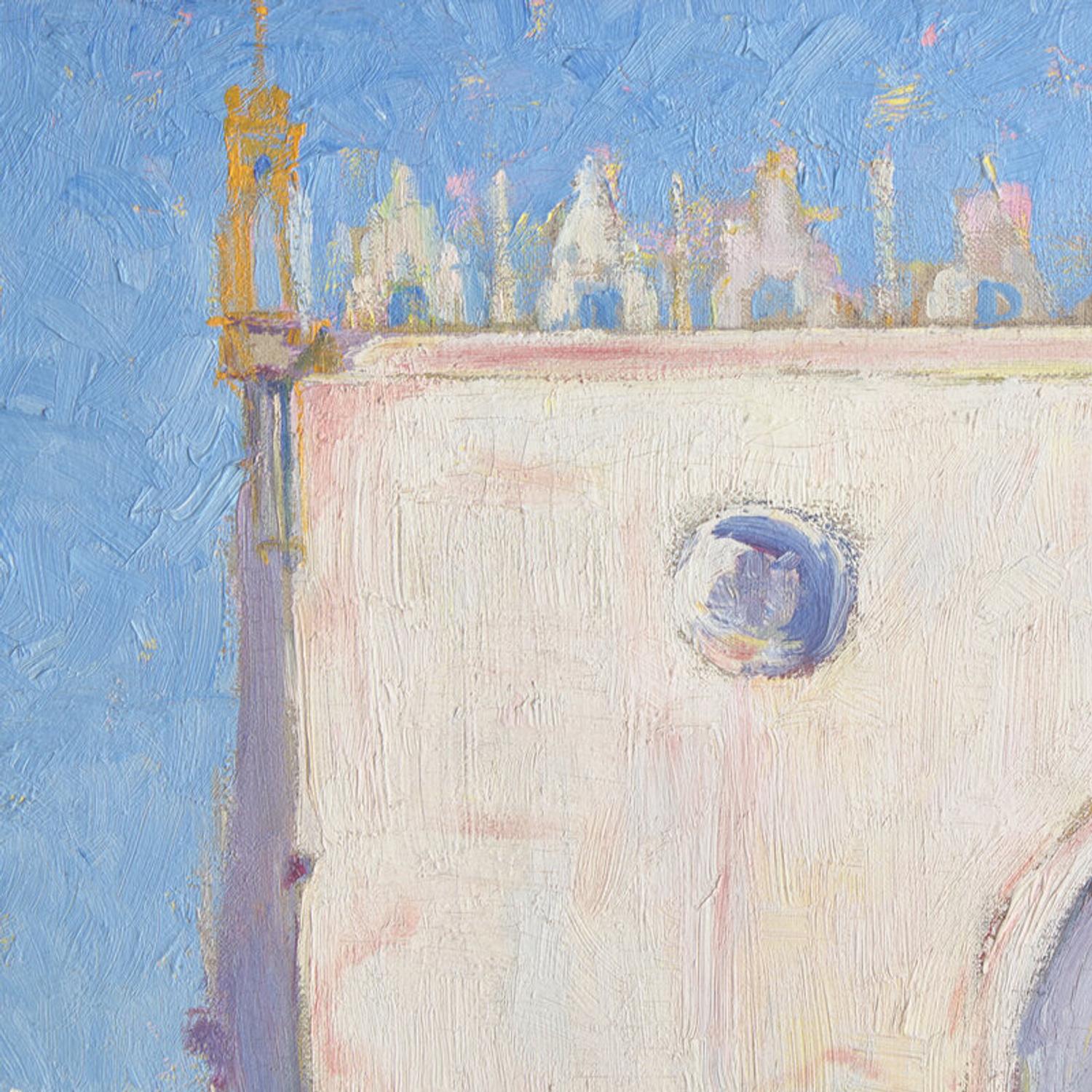
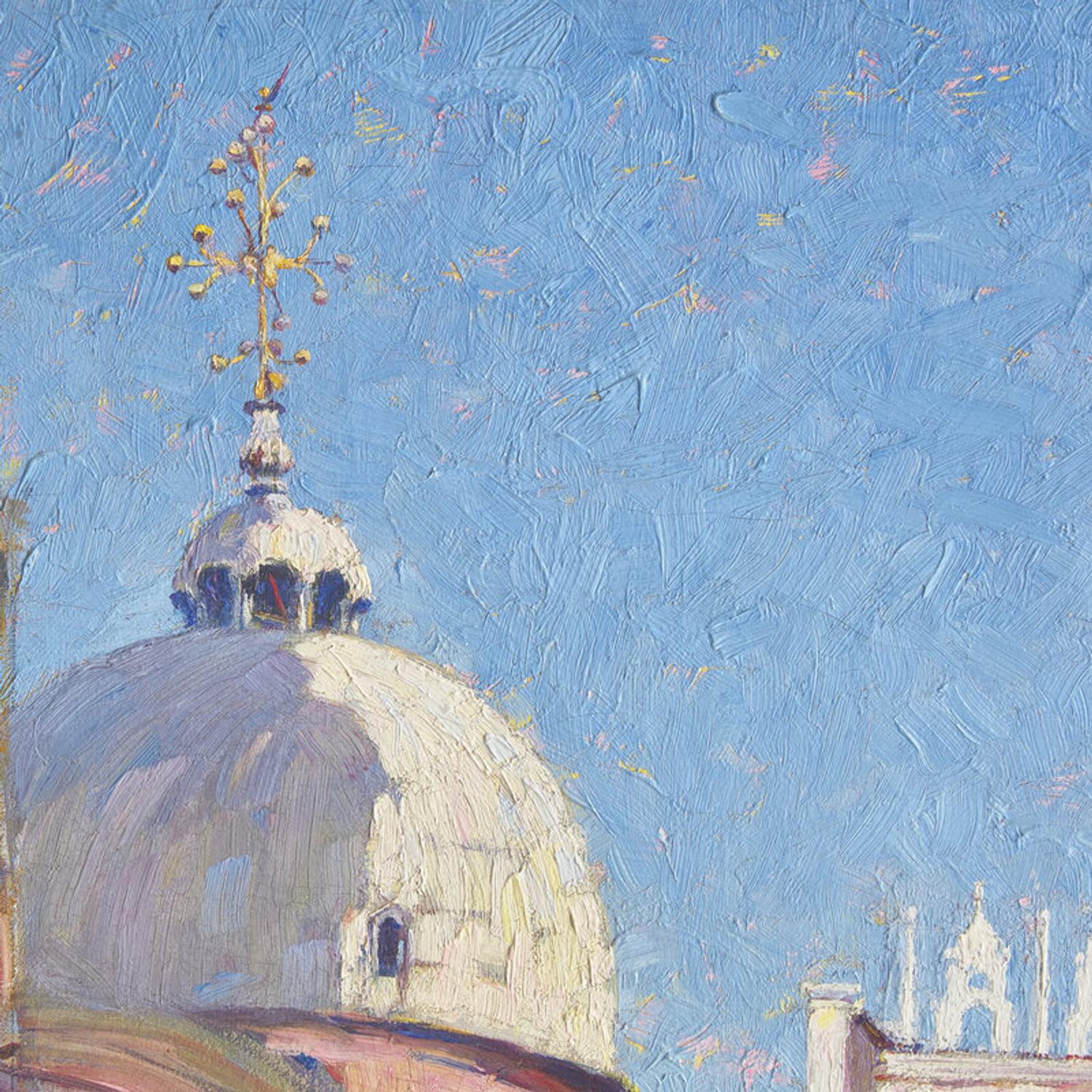
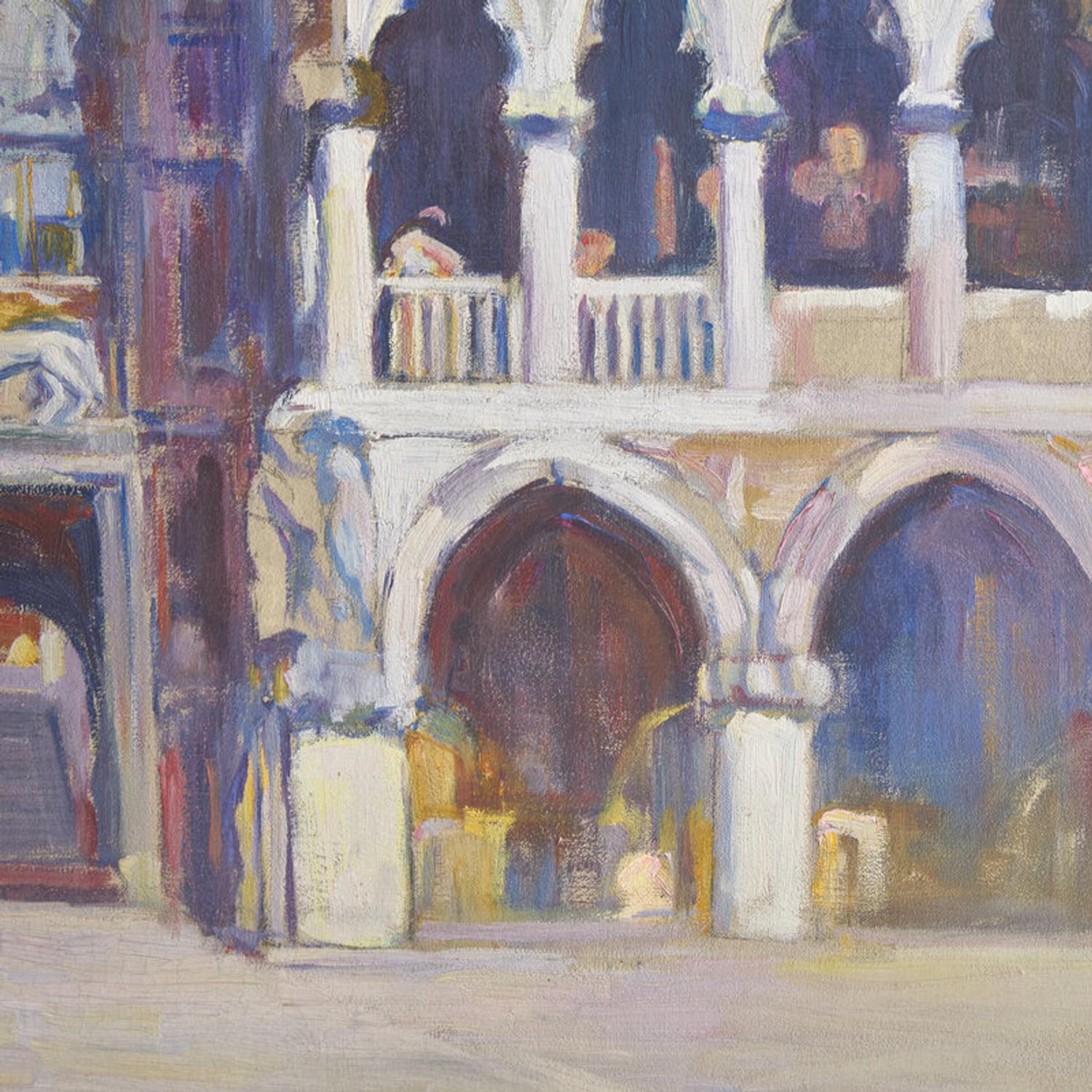
Porta della Carta - Venice was painted during this time, and despite its Italian locale, the work exhibits many of the signature techniques associated with California Impressionists. The loose, painterly brushstrokes create a textured surface, and the bright palette works to draw the eye to the colorful details highlighted throughout. The shadows in the scene accentuate the fleeting moment that is captured in the piece - the landscape McCormick experienced first-hand.
The painting appears unfinished along the bottom and left side of the canvas, allowing the viewer a special glimpse of the artist's creative process. Pencil lines sketching the remainder of the scene appear on the bare canvas. The absence of color in this section only works to enhance the painting, effectively drawing the eye back to consider the palatial subject matter. The Porto della Carta, which translates literally to Paper Portal, is beautifully captured in this piece. This Venetian landmark is preserved, frozen in time on the canvas, and is a true testament to the artistry McCormick employed in her work.